Lower Dolpo Trek
A journey shaped by the landscapes, people and experiences of Nepal.
Offered by Mountain Hiking & Trekking Pvt.Ltd
 NEPAL · TRAVEL EXPERIENCES
Discover the journey
Read the full journey overview
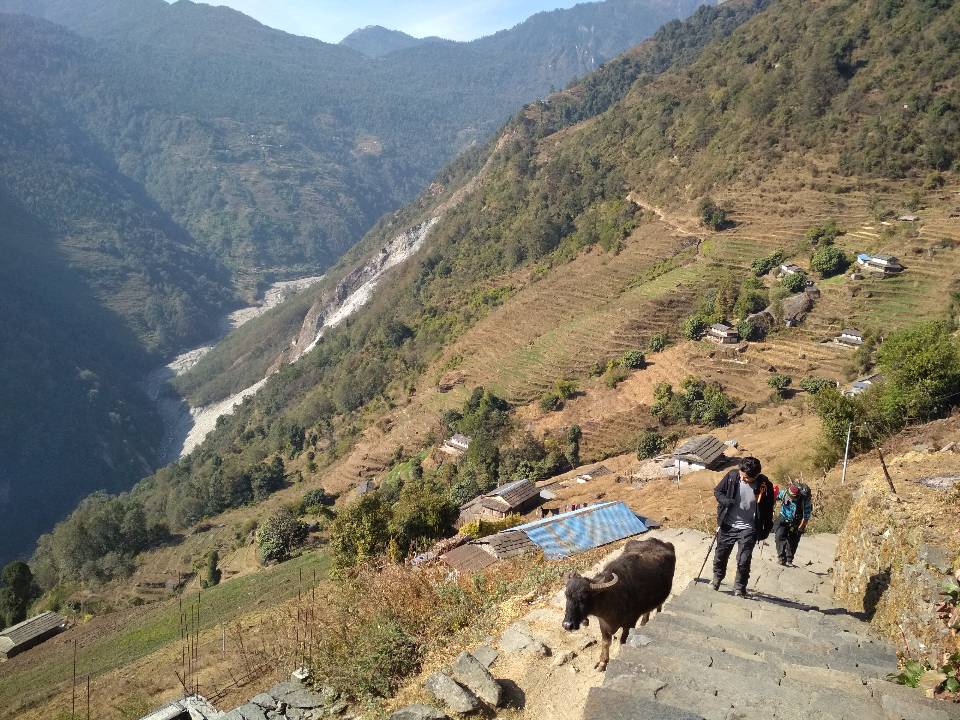
This trek is renowned for its stunning views of Phoksundo Lake, one of Nepal's deepest lakes, and the Shey Monastery. The trek passes through the Shey Phoksundo National Park, which is known for its diverse flora and fauna, including the elusive snow leopard.
The memorable moments
1. Remote and Untouched Wilderness Pristine Landscapes: Trek through one of Nepal’s most remote and least explored regions, characterized by rugged terrain, deep valleys, and stunning mountain vistas. Shey Phoksundo National Park: Traverse the largest national park in Nepal, home to diverse flora and fauna, including snow leopards, Himalayan blue sheep, and the elusive musk deer. 2. Phoksundo Lake Turquoise Gem: Visit the breathtaking Phoksundo Lake, one of the deepest and most pristine lakes in Nepal, known for its striking turquoise color and surrounded by snow-capped peaks. Bonpo Monastery: Explore the ancient Bonpo monasteries near Phoksundo Lake, which offer insights into the unique Bon religion and its practices. 3. Rich Cultural Heritage Tibetan Influence: Experience the rich Tibetan-influenced culture of the Dolpo region, with opportunities to visit ancient monasteries, gompas, and traditional villages. Authentic Villages: Interact with the warm and hospitable people of Dolpo, who have preserved their traditional lifestyle and customs for centuries. 4. High Mountain Passes Challenging Passes: Cross high mountain passes such as Numa La (5,190m) and Baga La (5,070m), offering panoramic views of the surrounding peaks and valleys. Adventure and Thrill: Experience the thrill of trekking in a remote area with challenging trails, where few trekkers venture, making it a true off-the-beaten-path adventure. 5. Diverse Flora and Fauna Biodiversity: Witness a variety of ecosystems, from lush forests in lower regions to arid, barren landscapes at higher altitudes, providing a unique trekking experience. Wildlife Encounters: Opportunity to spot rare wildlife species in their natural habitat, including the Himalayan griffon, Tibetan hare, and the endangered snow leopard. 6. Spectacular Mountain Views Majestic Peaks: Enjoy uninterrupted views of the Dhaulagiri range, Kanjiroba Himal, and other towering peaks, offering a spectacular backdrop to your trekking journey. Photographic Opportunities: Capture the dramatic landscapes, traditional villages, and vibrant cultures through your lens, making this trek a photographer’s paradise. 7. Spiritual and Tranquil Experience Pilgrimage Sites: Visit sacred sites and monasteries, providing a spiritual dimension to your trek, and allowing for moments of reflection and tranquility. Serene Environment: Trek in a peaceful and less-traveled region, away from the crowds, where you can connect with nature and enjoy the serenity of the Himalayas. 8. Cultural Festivals (Seasonal) Local Festivals: If you time your trek right, you may have the chance to witness or participate in local festivals, which are vibrant displays of Dolpo's unique culture and traditions.
Day-by-day itinerary
Day 1Arrival in Kathmandu —
Confirm daily arrangements with the provider.
Day 2Fly from Kathmandu to Nepalgunj —
Confirm daily arrangements with the provider.
Day 3: Fly from Nepalgunj to Juphal, Trek to Dunai Trek: 3-4 hours, 2,140 meters (7,020 feet) —
Confirm daily arrangements with the provider.
Day 4Trek from Dunai to Tarakot Trek: 5-6 hours, 2,550 meters (8,336 feet) —
Confirm daily arrangements with the provider.
Day 5Tarakot to Khanigaon Trek: 4-5 hours, 2,860 meters (9,383 feet) —
Confirm daily arrangements with the provider.
Day 6: Khanigaon to Ringmo Elevation: 3,610 meters (11,847 feet) — Trek Duration: 5-6 hours
Confirm daily arrangements with the provider.
Day 7Ringmo to Phoksundo Lake Elevation: 3,610 meters (11,847 feet) — Trek Duration: 3-4 hours
Confirm daily arrangements with the provider.
Day 8Explore Phoksundo Lake Elevation: 3,610 meters (11,847 feet) — Duration: Full day
Confirm daily arrangements with the provider.
Day 9Phoksundo Lake to Chhepka Elevation: 2,830 meters (9,252 feet) — Trek Duration: 6-7 hours
Confirm daily arrangements with the provider.
Day 10—
Confirm daily arrangements with the provider.
What's included in your experience
Included
- 1. Accommodation
- Hotels:
- Two nights’ accommodation in a 3-star hotel in Kathmandu (with breakfast).
- One night’s accommodation in a hotel in Nepalgunj (with breakfast) before the trek.
- Teahouses/Lodges:
- Accommodation in local teahouses or lodges during the trek on a twin-sharing basis.
- Camping (if applicable):
- All necessary camping equipment (tents, sleeping mats, dining tent, etc.) during the trek where teahouses are unavailable.
- 2. Meals
- In Kathmandu and Nepalgunj:
- Breakfasts at the hotel.
- During the Trek:
- All meals (breakfast, lunch, and dinner) during the trek.
- Hot drinks like tea and coffee at breakfast and dinner.
- 3. Transportation
- Domestic Flights:
- Round-trip flights between Kathmandu and Nepalgunj.
- Round-trip flights between Nepalgunj and Juphal (starting point of the trek).
- Ground Transportation:
- Airport transfers (pick-up and drop-off) in Kathmandu and Nepalgunj.
- Ground transportation as per the itinerary in private vehicles.
- 4. Permits and Fees
- Trekking Permits:
- Lower Dolpo Restricted Area Permit.
- Shey Phoksundo National Park entry permit.
- Trekkers’ Information Management System (TIMS) card.
- 5. Guides and Support Staff
- Experienced Trekking Guide:
- An English-speaking, government-licensed trekking guide with knowledge of the region and first aid training.
- Porters:
- Porters to carry your luggage (1 porter for every 2 trekkers, with a weight limit of 15 kg per trekker).
- Support Staff:
- Cook and kitchen staff for camping treks.
- Additional local staff as necessary for the trek.
- 6. Equipment and Gear
- Group Equipment:
- All necessary group camping gear, including tents, cooking equipment, and dining tents.
- Safety Equipment:
- First aid kit and oxygen cylinder for emergencies.
- Satellite phone for communication in remote areas.
Not included
- 1. International Flights
- Flights to/from Nepal:
- International airfare to and from Kathmandu, Nepal.
- 2. Nepal Visa Fees
- Visa on Arrival:
- The cost of obtaining a Nepal visa upon arrival at the airport or at a Nepalese embassy/consulate in your home country.
- 3. Travel and Health Insurance
- Comprehensive Insurance:
- Personal travel insurance covering emergency evacuation, medical treatment, and trip cancellation. This is mandatory for all trekkers.
- 4. Meals Not Specified
- In Kathmandu and Nepalgunj:
- Lunch and dinner in Kathmandu and Nepalgunj unless specified otherwise in the "Cost Includes" section.
- During the Trek:
- Any snacks, drinks, or additional meals not included in the standard package.
- 5. Personal Expenses
- Drinks and Beverages:
- Alcoholic beverages, soft drinks, bottled water, and other personal drinks during the trek.
- Snacks:
- Personal snacks and energy bars during the trek.
- Souvenirs:
- Any personal purchases, souvenirs, or gifts.
- Laundry Services:
- Laundry and other personal services during the trek and in cities.
- 6. Equipment and Gear
- Personal Trekking Gear:
- Items such as trekking boots, clothing, sleeping bags, and other personal gear not provided by the company.
- Rental Fees:
- Rental charges for any gear or equipment not brought by the trekker, if available.
- 7. Tips and Gratuities
- For Guides and Porters:
- Tipping for guides, porters, and other support staff (while not mandatory, it is customary and appreciated).
- 8. Optional Activities
- Sightseeing Tours:
- Optional activities and tours not included in the standard itinerary (e.g., additional city tours, cultural experiences).
- Additional Nights:
- Extra accommodation in Kathmandu, Nepalgunj, or elsewhere due to early arrival, late departure, or any other reason not covered by the itinerary.
- 9. Emergency Costs
- Evacuation Costs:
- Any costs associated with emergency evacuation, including helicopter rescue, unless covered by the client's insurance.
- Medical Expenses:
Essential trip information
Before you go
1. Pre-Trek Briefing Orientation: A pre-trek briefing will be conducted in Kathmandu (or the starting point) a day before the trek begins. This briefing will cover the itinerary, safety protocols, equipment checks, and other essential information. Attendance: It is mandatory for all participants to attend the briefing. If you cannot attend, please inform us in advance so that alternative arrangements can be made. 2. Accommodation Details Teahouses/Lodges: Accommodation during the trek will be in teahouses or lodges, which are basic but comfortable. Rooms are usually twin-sharing with shared bathroom facilities. In some remote areas, facilities may be more basic. Camping (if applicable): In some regions, where teahouses are unavailable, camping will be arranged. The company will provide tents, sleeping mats, and other camping equipment. You are responsible for your sleeping bag and personal items. 3. Meals and Dietary Requirements Included Meals: Meals are typically included in the trek cost and are provided at the teahouses or campsites. Meals include breakfast, lunch, and dinner, with a mix of local and Western dishes. Special Diets: If you have any dietary restrictions or allergies, please inform us at the time of booking. While we will do our best to accommodate your needs, options may be limited in remote areas. 4. Altitude Sickness and Acclimatization Acclimatization Days: The itinerary includes acclimatization days to help your body adjust to the altitude. It is crucial to follow the guide’s instructions during these days. Symptoms of Altitude Sickness: Be aware of the symptoms of altitude sickness, including headaches, nausea, dizziness, and shortness of breath. If you experience any of these, inform your guide immediately. Emergency Descent: If you experience severe altitude sickness, an emergency descent will be arranged. The cost of evacuation is the client’s responsibility, so ensure your insurance covers high-altitude evacuation. 5. Fitness and Training Physical Preparation: We recommend that you engage in regular physical exercise before the trek, including cardiovascular, strength, and endurance training. Trekking at high altitudes can be physically demanding. Consult Your Doctor: It is advisable to consult with your doctor before the trek, especially if you have pre-existing medical conditions or are taking any medications. 6. Weather Conditions Weather Variability: Weather in the mountains can be unpredictable. While the best trekking seasons are typically spring (March-May) and autumn (September-November), you should be prepared for sudden changes in weather, including rain, snow, and cold temperatures. Gear Recommendations: Ensure you have appropriate clothing and gear for varying weather conditions, including a good quality waterproof jacket, thermal layers, and sun protection. 7. Packing Guidelines Weight Limits: There may be weight limits for baggage on domestic flights or if you’re using porters. Typically, this limit is 15-20 kg (33-44 lbs) per person. Excess baggage may incur additional charges. Recommended Items: Refer to the Trekking Equipment section for a detailed list of recommended items. Pack light but ensure you have all essential items. 8. Responsible Travel Cultural Sensitivity: Respect the local culture and traditions. Dress modestly, ask for permission before taking photos of people, and be mindful of local customs and practices. Environmental Conservation: Follow Leave No Trace principles. Do not litter, avoid single-use plastics, and stay on designated trails to minimize your environmental impact. 9. Emergency Contact Information During the Trek: In case of emergencies, your guide will have a satellite phone or a means of communication to contact the main office and arrange for assistance or evacuation. For Family and Friends: Provide your family and friends with the company’s emergency contact details, including a phone number and email address, in case they need to reach you during the trek. 10. Gratitude and Tipping Tipping Guidelines: Tipping is not mandatory but is appreciated by the guides, porters, and support staff. A general guideline is to tip 10-15% of the trek cost, distributed among the staff. Your guide can help coordinate the tipping.
Accommodation
Tea house
Fitness & eligibility
1
Meeting point
katamandu
What to bring
- Clothing
- Base Layers:
- Moisture-wicking t-shirts (2-3)
- Long-sleeve thermal tops (2)
- Thermal leggings (2)
- Insulating Layers:
- Fleece jacket or pullover
- Down jacket (preferably water-resistant)
- Insulated trekking pants
- Outer Layers:
- Waterproof and windproof jacket (Gore-Tex or similar)
- Waterproof and windproof pants
- Trekking Pants and Shorts:
- Lightweight trekking pants (2 pairs)
- Convertible trekking pants/shorts (optional)
- Headwear:
- Warm hat (wool or fleece)
- Sun hat or cap
- Buff or neck gaiter
- Sunglasses with UV protection
- Handwear:
- Lightweight inner gloves (fleece or wool)
- Waterproof and windproof outer gloves
- Footwear:
- Sturdy, waterproof trekking boots (well broken-in)
- Lightweight camp shoes or sandals
- Trekking socks (4-5 pairs, wool or synthetic)
- Liner socks (optional)
- Trekking Gear
- Backpack:
- 50-70L backpack with a rain cover (for carrying your gear)
- 20-30L daypack (for daily essentials)
- Sleeping Gear:
- Sleeping bag (rated for -10°C to -15°C)
- Sleeping bag liner (optional for extra warmth)
- Inflatable or foam sleeping pad (optional)
- Trekking Poles:
- Adjustable trekking poles (essential for stability on uneven terrain)
- Hydration:
- Water bottles (2 liters total capacity)
Cancellation terms
We understand that plans can change, and we strive to be as accommodating as possible. However, as we incur costs in organizing your trek, the following cancellation policy applies: 1. Cancellation by the Client Cancellation Before 60 Days of Departure: Refund: 90% of the total trip cost will be refunded. Non-Refundable: 10% of the total trip cost (administrative and planning fees). Cancellation Between 30-59 Days of Departure: Refund: 70% of the total trip cost will be refunded. Non-Refundable: 30% of the total trip cost. Cancellation Between 15-29 Days of Departure: Refund: 50% of the total trip cost will be refunded. Non-Refundable: 50% of the total trip cost. Cancellation Less Than 15 Days of Departure: Refund: No refund will be provided. Non-Refundable: 100% of the total trip cost. 2. Cancellation by the Company In Case of Unforeseen Circumstances: If the trek is canceled due to unforeseen circumstances such as natural disasters, political unrest, or other situations beyond our control, we will offer the following options: Reschedule: The trek can be rescheduled to a later date without additional charges. Alternative Trek: An alternative trek of similar value can be arranged. Refund: A refund will be provided, minus any non-recoverable costs (e.g., permits, flights, etc.). Minimum Participant Requirement: If the trek has to be canceled due to not meeting the minimum participant requirement, we will inform you at least 30 days before the departure date and offer the following options: Reschedule: Join the same trek at a later date. Alternative Trek: Choose an alternative trek. Full Refund: Receive a full refund of the trip cost. 3. Changes to the Itinerary Voluntary Changes: Any voluntary changes made by the client to the itinerary after booking may incur additional costs. These costs will be communicated and must be agreed upon before any changes are made. Involuntary Changes: Changes made to the itinerary due to weather conditions, safety concerns, or other factors beyond our control will not be eligible for a refund. We will make every effort to arrange an alternative trek or experience of equivalent value. 4. No-Show Policy If the client fails to arrive on the scheduled departure date without prior notice, no refund will be provided. 5. Insurance We highly recommend that all clients purchase comprehensive travel insurance that covers trip cancellations, medical expenses, and emergency evacuations. 6. Refund Process Refunds will be processed within 14 business days after receiving a written cancellation request. Refunds will be made through the original payment method, minus any applicable bank charges or transaction fees.
Traveler reviews & experiences
Real traveler perspectives to help you plan with confidence.
No traveler reviews yet
Be the first to share what this journey was like and help future travelers plan with confidence.
Have you experienced this journey?
Your real travel story can help someone choose their next adventure.
Reviews are personal opinions from NepalGuide members. “Unverified traveler” means the trip or booking has not been independently confirmed. Report suspicious or abusive reviews to NepalGuide support.
Explore Nepal. Connect with travelers.
Join NepalGuide to share genuine reviews, take part in travel conversations and discover experiences offered by local travel providers.
There's more to experience.
Discover another journey, explore local experiences or find a place to stay.