Gokyo Lake Trek
A journey shaped by the landscapes, people and experiences of Nepal.
Offered by Mountain Hiking & Trekking Pvt.Ltd
 NEPAL · TRAVEL EXPERIENCES
Discover the journey
Read the full journey overview
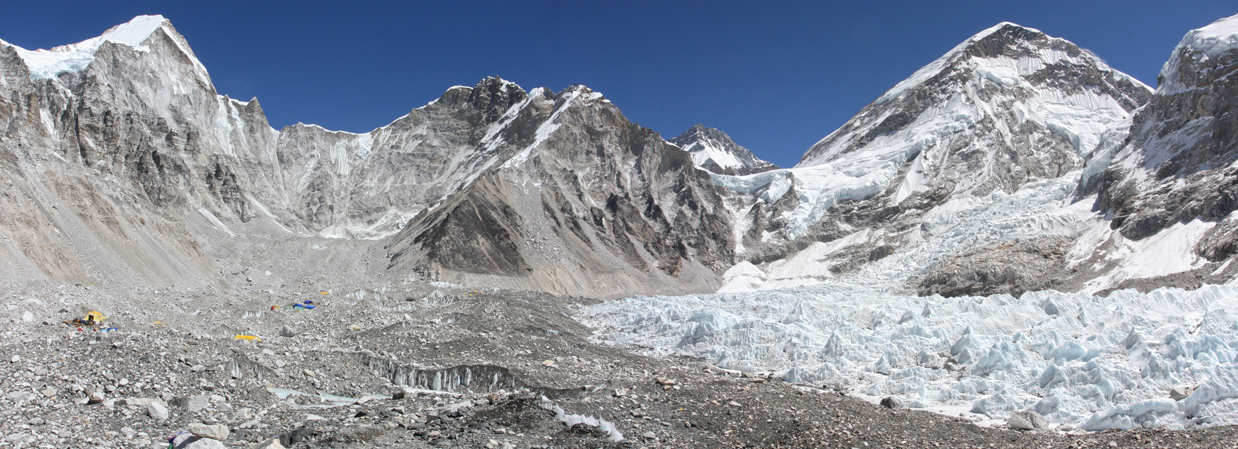
Gokyo Lake Trek is one of the most beautiful and popular trekking routes in Nepal, which offers stunning views of the Himalayan ranges, beautiful landscapes, and crystal-clear lakes. The trek takes you through the Khumbu region, located in the Sagarmatha National Park, a UNESCO World Heritage Site. The trek begins with a flight to Lukla, from where you will start your trek to Phakding, Namche Bazaar, and then to Gokyo. The trail passes through beautiful Sherpa villages, forests, suspension bridges, and glaciers before reaching Gokyo, a small settlement located next to the turquoise Gokyo Lake. The highlight of the trek is undoubtedly the Gokyo Lakes, a series of six glacier-fed lakes located at an altitude of 4,700 meters above sea level. The lakes offer breathtaking views of the surrounding mountains, including Mount Everest, Cho Oyu, Lhotse, and Makalu. The trek also includes a climb to Gokyo Ri, a 5,357-meter peak that offers panoramic views of the entire region, including the Ngozumpa Glacier, the largest glacier in Nepal. The best time to trek to Gokyo Lake is from March to May and September to December. The trek is considered moderately difficult, and prior trekking experience is recommended
The memorable moments
*1. Breathtaking Views of the Himalayas Everest and Surrounding Peaks: Enjoy spectacular views of Mount Everest, Lhotse, Makalu, and Cho Oyu, as well as other towering peaks of the Himalayas. Panoramic Vistas: The trek provides some of the best panoramic views of the Everest region, particularly from the Renjo La Pass and the Gokyo Ri summit. **2. Gokyo Lakes Scenic Beauty: Discover the stunning Gokyo Lakes, a series of beautiful turquoise glacial lakes surrounded by snow-capped peaks. Gokyo Ri: Climb to the top of Gokyo Ri (5,357m) for one of the most breathtaking sunrise views in the Everest region, with a 360-degree panorama of the Himalayas. **3. Renjo La Pass High Altitude Adventure: Cross the Renjo La Pass (5,360m), offering a thrilling high-altitude experience with dramatic views of the surrounding mountains. Unique Perspective: The pass provides a unique vantage point to view the rugged terrain and extensive glacier fields. **4. Traditional Sherpa Villages Cultural Experience: Visit charming Sherpa villages such as Namche Bazaar, Thame, and Lungden, where you can experience traditional Tibetan culture, architecture, and lifestyle. Local Interaction: Engage with the friendly local Sherpa people and learn about their customs, traditions, and way of life. **5. Stunning Landscapes Scenic Trails: Trek through diverse landscapes, including lush forests, alpine meadows, rocky terrain, and expansive glacier fields. Khumbu Region: Explore the scenic beauty of the Khumbu region, including valleys, rivers, and glaciers. **6. Religious and Cultural Sites Monasteries and Stupas: Visit important Buddhist monasteries and stupas along the trail, such as the ones in Thame and Namche Bazaar, offering insight into the region’s spiritual heritage. Cultural Immersion: Experience the rich Buddhist culture and traditions practiced by the local communities. **7. Wildlife and Flora Wildlife Spotting: The trek offers opportunities to spot wildlife such as the Himalayan tahr, pheasants, and possibly even the elusive snow leopard. Unique Flora: Admire the unique high-altitude flora, including colorful alpine flowers and hardy shrubs. **8. Adventure and Challenge High Altitude Trekking: The trek provides a challenging yet rewarding experience, perfect for those seeking an adventurous high-altitude journey. Physical Challenge: Test your endurance and trekking skills as you navigate the rugged terrain and cross high passes. **9. Hospitality and Comfort Teahouse Stays: Stay in comfortable teahouses along the trek, offering basic amenities and local hospitality. Local Cuisine: Enjoy traditional Nepali and Tibetan meals prepared by local hosts. **10. Memorable Trekking Experience Adventure of a Lifetime: The combination of stunning landscapes, cultural immersion, and high-altitude adventure makes the Gokyo Lake and Renjo La Pass trek a truly memorable experience.
Day-by-day itinerary
Day 1: Arrival Day In Kathmandu Altitude: 1350m/4428ft — Arrival In Kathmandu Upon Your Arrival At Kathmandu Airport,
Confirm daily arrangements with the provider.
Day 2: Fly To Lukla And Trek To Phakding (2,652m / 8,700ft) 6.2 miles (7-8 km.) 3-4 hrs. — Morning Flight to Lukla:
Confirm daily arrangements with the provider.
Day 3: Trek to Namche Bazaar (3,440m / 11,286ft) 7.4 km 4.6 miles . 6-7 hrs. — Start your trek after breakfast, following the Dudh Kosi River.
Confirm daily arrangements with the provider.
Day 4: Acclimatization Day In Namche Bazaar — Hike to Everest View Hotel:
Confirm daily arrangements with the provider.
Day 5: Trek To Phortse Thanga (3,680m./12,073 feet) 4-5 hours. — Trek To Phortse Thanga You Will Trek To Phortse Thanga (3,680m), Which Is A Small Settlement With A Few Teahouses. The Trail Passes Through Rhododendron Forests And Offers Views Of Mt. Khumbila.
Confirm daily arrangements with the provider.
Day 6: Trek To Machhermo (4,470 m./14,665 ft) 7-8 km. (4.3-5 miles) 4/5 hrs. — You Will Trek To Machhermo (4,470m), Which Is A Small Village Located On The Way To The Gokyo Lakes. The Trail Offers Stunning Views Of The Dudh Koshi Valley And The Surrounding Mountains.
Confirm daily arrangements with the provider.
Day 7: Trek To Gokyo (4,790 m/ 15,715 ft) 6-7 km.(3.7-4.3 miles)3-4 hrs. — Trekking to Gokyo is a highlight of the Gokyo Lakes Trek in the Everest region of Nepal.
Confirm daily arrangements with the provider.
Day 8: Hike To Gokyo Ri And Back To Gokyo (5,357m/17,585 ft) (3 km /1.9 miles) 2-3 hrs. — Hike To Gokyo Ri And Back To GokyoYou Will Hike To Gokyo Ri (5,357m) Early In The Morning To Catch The Sunrise Over The Himalayas. From The Top Of Gokyo Ri, You Can See Stunning Views Of Mt. Everest, Lhotse, Makalu, And Cho Oyu. You Will Then Hike Back Down To Gokyo.
Confirm daily arrangements with the provider.
Day 9: Gokyo to Lungden via Renjo La Pass (5,360m/17,585ft) Trekking Duration: 7-8 hours —
Confirm daily arrangements with the provider.
Day 10: Trek from Lungden to Thame (3,800m/12,467ft) Trekking Duration: 5-6 hours — After breakfast, you'll leave the peaceful village of Lungden. The trail starts with a gentle descent, and as you walk, you'll notice the landscape gradually changing. The high-altitude, barren terrain of Lungden transitions into more lush and green surroundings as you descend.
Confirm daily arrangements with the provider.
Day 11: Trek from Thame to Monjo (2,835m/9,301ft) Trekking Duration: 5-6 hours —
Confirm daily arrangements with the provider.
Day 12: Trek from Monjo to Lukla (2,860m/9,383ft) — After breakfast, you’ll leave Monjo and begin your trek towards Lukla. The trail initially descends through lush forests and alongside the Dudh Koshi River.
Confirm daily arrangements with the provider.
Day 13: Lukla to Kathamandu flight — Morning in Lukla:
Confirm daily arrangements with the provider.
Day 14Full Day City Tour & Shopping in Kathmandu — Morning: City Tour
Confirm daily arrangements with the provider.
Day 15Departure from Kathmandu — Transfer to the airport for your onward flight.
Confirm daily arrangements with the provider.
What's included in your experience
Included
- Accommodation:
- Hotels in Kathmandu: Typically includes hotel stays in Kathmandu, both at the start and end of your trek.
- Teahouses/Lodges on the Trek: Includes stays at teahouses or lodges along the trekking route.
- Meals:
- Full Board on Trek: Breakfast, lunch, and dinner are usually included during the trek. Meals are provided at teahouses along the trail.
- Meals in Kathmandu: Breakfast is generally included in the hotel package. Other meals are typically not included unless specified.
- Transportation:
- Domestic Flights: Includes round-trip flights between Kathmandu and Lukla.
- Airport Transfers: Transfers between the airport and your hotel in Kathmandu.
- Private/Shared Transport: Includes transportation to and from trekking trailheads if arranged.
- Permits and Fees:
- Trekking Permits: Includes the required permits for the trek, such as the Sagarmatha National Park Entry Permit and TIMS (Trekkers' Information Management System) Card.
- Local Taxes: Includes any local taxes or entrance fees for cultural sites during your city tour.
- Guide and Porter Services:
- Guide: Services of an experienced trekking guide.
- Porter: Services of a porter to carry your main luggage (if included in the package).
- Sightseeing Tours:
- City Tour: Includes guided tours to major attractions in Kathmandu, such as Swayambhunath, Boudhanath, Pashupatinath, and Kathmandu Durbar Square.
- Insurance:
- Travel Insurance: It’s highly recommended to have insurance that covers trekking, medical emergencies, and evacuation. Some packages might include basic insurance.
- Miscellaneous:
- Entrance Fees: Fees for entry to temples, monasteries, and other attractions as part of the city tour.
- Gifts and Tips: Some packages may include a standard tip amount for guides and porters.
Not included
- When planning your trek and city tour in Nepal, it’s important to understand what is not covered in the base cost. Here’s a detailed list of typical exclusions:
- *1. International Flights
- Description: The cost of flights from your home country to Kathmandu and back is not included. You’ll need to book and pay for these separately.
- *2. Nepal Visa Fees
- Description: Visa fees for entry into Nepal are not covered. You’ll need to obtain a visa upon arrival or in advance from a Nepali embassy or consulate. As of the last update, a 30-day tourist visa costs approximately $50.
- *3. Meals Not Included:
- Description:
- Lunch and Dinner in Kathmandu: Meals outside the included breakfast are typically not covered. You may need to budget for lunch and dinner in Kathmandu.
- Snacks and Beverages: Costs for snacks, soft drinks, and beverages not included in the trek or city tour package.
- *4. Personal Expenses:
- Souvenirs and Shopping: Costs for purchasing souvenirs, gifts, or any additional items you might want.
- Laundry and Personal Services: Charges for laundry, personal care items, and other non-trekking related services.
- *5. Optional Activities:
- Additional Excursions: Costs for any optional activities or excursions not included in the standard itinerary, such as helicopter tours, paragliding, or additional guided tours.
- *6. Personal Gear and Equipment:
- Trekking Gear: Costs for personal trekking gear such as boots, clothing, and sleeping bags. Although some trekking operators provide gear, personal gear is generally your responsibility.
- Rentals: If you need to rent equipment (like trekking poles, sleeping bags), this cost is usually not included.
- *7. Insurance:
- Travel Insurance: Any insurance coverage beyond the basic provided by the trekking company. This might include additional coverage for high-altitude trekking, medical emergencies, or trip cancellations.
- *8. Tips and Gratuities:
- Guides and Porters: Tips for your guide, porter, and other service staff. While some packages might include a standard tip amount, additional gratuities for excellent service are typically not included.
- *9. Health and Vaccinations:
- Medical Costs: Any medical expenses incurred during your trip, including vaccinations or medications needed before traveling.
- *10. Emergency Evacuation:
- Costs: Emergency evacuation or rescue services, which are not typically covered unless specifically included in your travel insurance.
- *11. Visa Fees for Other Countries:
- Transit Visas: If you require visas for transit through other countries or additional visas for destinations beyond Nepal.
- *12. Extra Travel Arrangements:
- Extended Stays: Costs for any additional nights in Kathmandu or other destinations beyond the planned itinerary.
- Extra night accommodation in Kathmandu.incase flight cancel,delay or Early return from trekking
Essential trip information
Before you go
Nepal Visa Information All foreigners need visas, except people from India. Visa Types: Nepal offers various types of visas, including tourist visas, business visas, student visas, and more. Tourist Visa: Tourist visas are typically the most common type for travelers visiting Nepal for leisure or sightseeing purposes. Visa on Arrival: Many nationalities can obtain a tourist visa upon arrival at Tribhuvan International Airport in Kathmandu and other entry points. You'll need to fill out a visa application form and provide a passport-sized photo along with the visa fee in USD or equivalent. Online Visa Application: Some nationalities are eligible to apply for a tourist visa online through the Nepal Immigration website. https://nepaliport.immigration.gov.np/This allows you to complete the visa application in advance and obtain a visa approval letter, which you present upon arrival to receive your visa. Print the Approval Letter: Print out the visa approval letter, as you'll need to present it upon arrival in Nepal along with your passport. Make sure to carry a copy of the approval letter with you during your travel. Obtain Visa Stamp Upon Arrival: Upon arrival at Tribhuvan International Airport in Kathmandu or other entry points in Nepal, present your passport, printed visa approval letter, and any other required documents to the immigration officer. They will stamp your passport with the tourist visa, allowing you to enter Nepal. Duration and Extension: Tourist visas are typically issued for 15, 30, or 90 days. Extensions are possible for up to 150 days per visa year (January-December) at the Immigration Office in Kathmandu and certain other locations. Visa Fees: The visa fee varies depending on the duration of your stay. There may be additional fees for visa extensions. 15 Days – USD 30 30 Days – USD 50 90 Days – USD 125 Passport Validity: Your passport should be valid for at least six months beyond the intended date of departure from Nepal. Travel Insurance: Purchase travel insurance that covers high-altitude trekking and helicopter evacuation in case of emergencies. Make sure to carry a copy of your insurance policy and emergency contact information. Be Flexible: Weather conditions in the Himalayas can be unpredictable. Be prepared for flight delays or cancellations due to poor weather conditions in Lukla, which can affect your trekking schedule. Stay flexible and patient. Advices for Everest Three Passes Trek Train Beforehand: Prepare yourself physically by doing cardio exercises and hiking regularly. This will help build your stamina and endurance for the trek, which involves long hours of walking each day. Acclimatize Properly: Take your time to acclimatize to the high altitude. It's essential to ascend slowly and spend a few days at intermediate altitudes to allow your body to adjust to the reduced oxygen levels. Stay Hydrated and Eat Well: Drink plenty of water throughout the day to prevent dehydration, but avoid alcohol and caffeine as they can contribute to dehydration and altitude sickness. Eat nutritious meals rich in carbohydrates, proteins, and fats to fuel your body for the trek. Start Early: Begin your trek early in the day to take advantage of favorable weather conditions and to allow for sufficient rest breaks along the way. Early starts also help you avoid overcrowded trails and ensure you reach your destination before nightfall. Pack Wisely: Keep your backpack light by packing only the essentials. This includes appropriate clothing for varying weather conditions, basic toiletries, a first aid kit, high-energy snacks, water purification tablets, and any personal medications you may need. Dress in Layers: The weather in the Himalayas can be unpredictable, with temperature fluctuations throughout the day. Wear breathable, moisture-wicking layers that can be easily added or removed as needed. Don't forget to pack a warm jacket, hat, gloves, and a good pair of hiking boots. Protect Yourself from the Sun: The sun's UV rays are stronger at higher altitudes. Wear sunscreen with a high SPF, sunglasses with UV protection, and a wide-brimmed hat to shield your face and eyes from the sun. Respect Local Culture: Be respectful of the local Sherpa culture and customs. Learn a few basic Nepali phrases and greet locals with a friendly "Namaste." Ask for permission before taking photos of people or religious sites, and be mindful of cultural sensitivities. Listen to Your Body: Pay attention to how your body is feeling throughout the trek. If you experience symptoms of altitude sickness such as headache, nausea, dizziness, or fatigue, descend to a lower altitude immediately and seek medical attention if necessary. Be Prepared for Basic Accommodations: Accommodations along the Everest Base Camp trek are basic tea houses or lodges with shared facilities. Bring a sleeping bag for added warmth and comfort, and be prepared for rustic conditions. Enjoy the Journey: Take time to appreciate the breathtaking scenery, unique culture, and camaraderie of fellow trekkers along the way. The Everest Base Camp trek is a once-in-a-lifetime experience, so savor every moment and create lasting memories. Food and Water: Most teahouses along the Everest Base Camp trail offer a variety of meals, including traditional Nepali dishes like dal bhat (rice with lentil soup), noodles, soups, and Western options like pasta and pancakes. Carry snacks like energy bars, nuts, and dried fruits for quick energy during the trek. Drink plenty of water to stay hydrated. While bottled water is available at teahouses, consider using a water purification method like iodine tablets or a water filter to reduce plastic waste. Electricity and Charging Devices: Most teahouses have electricity, but it may be limited to certain hours and subject to power outages. Bring a portable power bank to charge your devices during the day. Charging electronic devices like cameras and phones usually incurs an additional fee. Consider bringing spare camera batteries or a solar charger for backup power. Cash and Currency: Bring enough cash (Nepali rupees) to cover expenses along the trekking route, as credit cards are not widely accepted. There are ATMs in Lukla and Namche Bazaar, but they may not always be reliable. It's advisable to withdraw cash in Kathmandu before starting the trek. Travle insurance Travel Insurance is mandatory for all customers who looking to travel in Nepal with the Mountain Hiking & Trekking .The Travel Insurance must cover both the evacuation and medical cost There are many insurance companies that offer travel insurance services over the internet. You can choose from a wide variety of insurance companies as per your convenience. Especially when it comes to trekking in Nepal, there is always a narrow chance of minor health issues, injuries and most importantly – altitude sickness. It is essential that you prefer an insurance rule that covers the cost of the helicopter rescue from the mountains in case of main accidents and delicate mountain sickness (AMS). through such great cases of an emergency evacuation, a helicopter service is the only way out of the mountains. This includes a rescue team for both – ground evacuation and rescue. Which is why we need your travel insurances to cover the cost of helicopter services and evacuation from the Himalayas It is forever recovered to be safe than apologetic. Before you plan your trip with Mountain Hiking & Trekking do make sure that your travel insurance covers all the costs mentioned above from a reliable company. Suggested Travel Insurance Companies: https://www.travelguard.com https://www.worldnomads.com https://www.mondial-assistance.ca https://www.travelassistnetwork.com/ https://www.travelex-insurance.com/ https://www.travelite.com/ https://www.tugo.com https://www.hccmis.com/atlas-travel-insurance
Accommodation
Tea House
Fitness & eligibility
1
Meeting point
Lukla
What to bring
- The following is a list of clothing and accessories that we recommend for treks and climbs in Nepal. This is not intended to be a comprehensive clothing and equipment list, rather it is intended to act as a reminder of those items that we feel are essential for your comfort and convenience. However we recognize that you may have your own personal preferences for clothing which may be equally as suitable.
- For Head
- Sun hat or scarf
- Light balaclava or warm fleece hat
- Sunglasses with UV protection
- Upper Body
- T-shirts (2)
- Light and expedition weight thermal tops
- Fleece jacket or pullover
- Fleece Wind-Stopper jacket (optional)
- Waterproof (preferably breathable fabric) shell jacket
- Down vest and/or jacket (optional)
- For Hands
- Lightweight gloves
- Heavyweight gloves or mittens with a waterproof shell outer
- Lower Body
- Underwear (4)
- Hiking shorts (2)
- Lightweight cotton long pants
- Light and expedition weight thermal bottoms
- Fleece or wool pants
- Waterproof (preferably breathable fabric) shell pants
- For Feet
- Thin, lightweight inner socks (4)
- Thick, warm wool hiking socks (4)
- Hiking boots with spare laces
- Camp shoes (sneakers and/or sandals)
- Gaiters (Optional)
- Accessories
- Sleeping bag rated -10C. to -20C (Depending on trekking region)
- Headlamp (e.g. Petzl Zoom) with spare bulbs and batteries
- Small pad or combination lock-to-lock trek bag
- Basic First Aid Kit (see Health and Medicinal)
- Large plastic bags - for keeping items dry inside trek bags
- Daypack (approximately 2500 to 3000 cubic inches)
- Thermarest sleeping pad (Only Camping Trek)
- Water bottles (2)
- Toiletries
- Small wash towel
- Optional items
Cancellation terms
Any cancellation by a Client must be made in writing and acknowledged by the Company, the date on which the request to cancel is received by the Company, will determine the cancellation charge Cancellation of Nepal,Bhutan and Tibet Trips deposit amount is ( Non- Refundable) But you can use That deposit anytime when you come to nepal. a) The Client is strongly advised to take out cancellation insurance at the time of making the booking. b) No refunds will be made if you voluntarily leave a trip for any reason after the trip has start on,No refunds will be made for any accommodation, transport, sightseeing, meals or services not utilized. c) If you want to change the date of the tour, it is possible to change within our tour date (subject to availability) which may occur some additional cost for you. d) We will take last minute booking till 5 day prior of tour date for Nepal trips and till 20 days prior for Bhutan and Tibet trips and you need to make full payment to book the tour in these cases. Cancellation Of A Tour By The Company: Mountain Hiking & Trekking P. Ltd reserves the right to cancel any trip, including a guaranteed trip, prior to departure due to reasons beyond our control (due to natural disasters, flight cancellation, , industrial action, Mountain sickness, weather conditions and Early back to kathamandu from Trek or any Tour in nepal,bhutan and Tibet trip. In such a case, Mountain Hiking & Trekking P. Ltd will not refund any money Passport And Visas: All clients must have a valid passport with at least 6 months validity from return date, Nepalese visas can be obtained from the Nepalese Embassies or Consulate in your country or arrival in Kathmandu Airport. Please visit our Nepal Visa for the detail info. Complaints: If you have complaints about the trip, you can tell to operator/leader/guide at the earliest opportunity then he will take the appropriate action. Acceptance Of Risk: We are committed to provide the best services by performing our duties honestly & seriously to make your journey very smooth & successful. However, Mountain Hiking & Trekking P. Ltd and its related organization shall not be responsible for any changes in the itinerary due to unavoidable circumstance beyond our control such as govt. restriction, Land slide, road blockage, flood, snow political unrest, cancellation of flight, delay, sickness or accident and The nature of some of our trips is adventurous and risky as well, therefore may involve a personal risk. We would like to inform you that you have to take all risk on yourself such as damages or injuries or death resulting from these inherent risks.
Traveler reviews & experiences
Real traveler perspectives to help you plan with confidence.
No traveler reviews yet
Be the first to share what this journey was like and help future travelers plan with confidence.
Have you experienced this journey?
Your real travel story can help someone choose their next adventure.
Reviews are personal opinions from NepalGuide members. “Unverified traveler” means the trip or booking has not been independently confirmed. Report suspicious or abusive reviews to NepalGuide support.
Explore Nepal. Connect with travelers.
Join NepalGuide to share genuine reviews, take part in travel conversations and discover experiences offered by local travel providers.
There's more to experience.
Discover another journey, explore local experiences or find a place to stay.