Gokyo Lake Luxury Trek
A journey shaped by the landscapes, people and experiences of Nepal.
Offered by Mountain Hiking & Trekking Pvt.Ltd
 NEPAL · TRAVEL EXPERIENCES
Discover the journey
Read the full journey overview
Experience the Ultimate Himalayan Adventure with Comfort and Elegance The Gokyo Lake Luxury Trek offers a stunning journey through the heart of the Everest region, combining breathtaking natural beauty with luxurious accommodations and exceptional service. This trek is perfect for those seeking an adventure that blends high-altitude trekking with the comfort of high-end lodges. Why Choose This Trek? The Gokyo Lake Luxury Trek offers an unparalleled combination of adventure and comfort, making it an ideal choice for trekkers who want to experience the Himalayas without compromising on luxury. With exceptional service, stunning landscapes, and cultural immersion, this trek provides a truly memorable journey through one of Nepal’s most spectacular regions.
The memorable moments
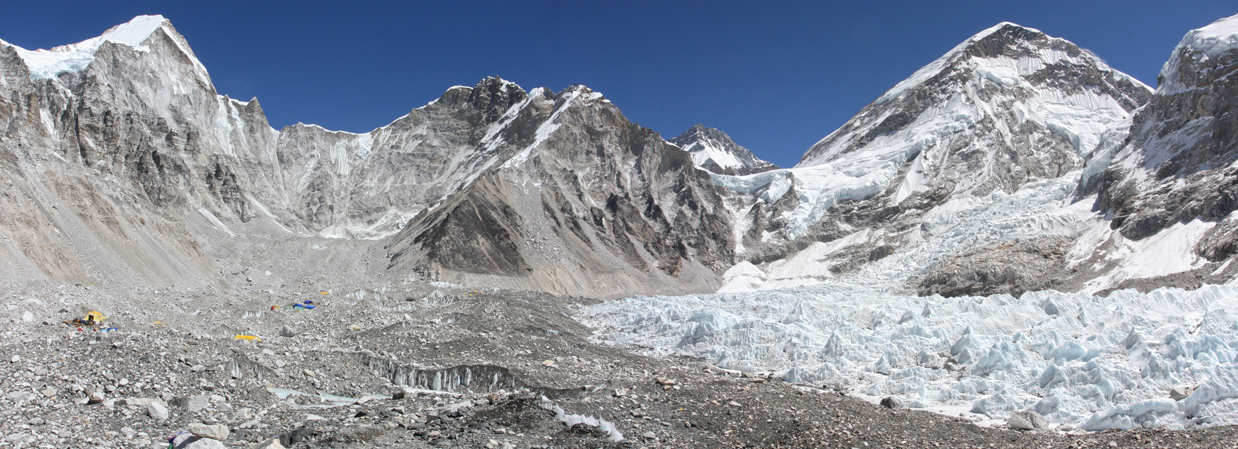
The Gokyo Lake Luxury Trek offers a breathtaking adventure through the stunning landscapes of the Everest region, with the added comfort of luxury accommodations and services. Here are the key highlights of this trek: 1. Spectacular Gokyo Lakes Turquoise Glacial Lakes:The Gokyo Lakes, a series of pristine, turquoise glacial lakes, are the main attraction of this trek. These high-altitude lakes are considered sacred by both Hindus and Buddhists and provide stunning views amidst the backdrop of towering Himalayan peaks. 2. Panoramic Views from Gokyo Ri Gokyo Ri Summit:A trek to the summit of Gokyo Ri (5,357m/17,575ft) offers one of the most panoramic views in the Everest region. From the top, you can see four of the world's highest peaks: Everest, Lhotse, Makalu, and Cho Oyu, along with a 360-degree view of the Gokyo Lakes and the Ngozumpa Glacier. 3. Luxurious Accommodation Luxury Lodges:Experience the comfort of luxury lodges throughout the trek, offering private rooms with en-suite bathrooms, hot showers, and gourmet meals. Enjoy the serene mountain views from the comfort of your lodge after a day of trekking. 4. Remote Himalayan Villages Cultural Immersion:Visit traditional Sherpa villages like Namche Bazaar, Phakding, and Machhermo. Experience the warm hospitality of the Sherpa people, learn about their rich culture, and visit ancient monasteries, stupas, and prayer wheels along the route. 5. Everest and Beyond Iconic Mountain Views:Besides Everest, you’ll get unparalleled views of other majestic peaks such as Ama Dablam, Thamserku, and Kangtega, as well as the massive Ngozumpa Glacier, the longest glacier in the Himalayas. 6. Helicopter Return Option Helicopter Ride:Some luxury packages offer the option of a helicopter return from Gokyo, allowing you to bypass the return trek and enjoy a scenic flight over the Everest region. This provides a unique aerial perspective of the Himalayas and saves time. 7. Sagarmatha National Park UNESCO World Heritage Site:The trek takes you through Sagarmatha National Park, a UNESCO World Heritage Site known for its unique biodiversity. You’ll trek through beautiful rhododendron forests, cross suspension bridges, and possibly spot wildlife like Himalayan thar, musk deer, and colorful pheasants. 8. Namche Bazaar Sherpa Capital:Namche Bazaar, the vibrant trading hub of the Khumbu region, is a highlight of the trek. This town offers markets, bakeries, and cafes, along with incredible views of the surrounding peaks. It’s a great place to acclimatize and explore. 9. Cultural and Historical Sites Tengboche Monastery:While not on the direct Gokyo route, many trekkers include a visit to the Tengboche Monastery, one of the most important Buddhist centers in the region. The monastery is surrounded by panoramic views of Everest and other peaks. 10. Personalized Trekking Experience Tailored Services:The luxury trek provides a more personalized experience with a higher staff-to-guest ratio. You’ll have experienced guides, porters, and sometimes even a personal chef to ensure your comfort and satisfaction throughout the trek. 11. Eco-Friendly Trekking Sustainable Practices:Many luxury treks incorporate eco-friendly practices, including the use of solar power, waste management systems, and support for local communities, ensuring that your trek has a positive impact on the environment and local economy. Conclusion The Gokyo Lake Luxury Trek combines the adventure of high-altitude trekking with the comfort and convenience of luxury services, making it an ideal choice for those seeking both challenge and relaxation in the Himalayas. With its breathtaking natural beauty, rich cultural experiences, and the added comfort of luxury lodges, this trek offers an unforgettable journey through one of the most stunning regions in Nepal.
Day-by-day itinerary
Day 1Arrival in Kathmandu Altitude: 1,400m (4,593ft) — Well Come To Himalayas Nepal! We Pick Up You From Tribhuvan International Airport And Drop You To Your Hotel That we Have Booked. After Resting Some Hours We Will Meet To Brief You About Our Program.
Confirm daily arrangements with the provider.
Day 2: Kathmandu Exploration — Accommodation: Luxury hotel in Kathmandu
Confirm daily arrangements with the provider.
Day 3: Fly to Lukla and Trek to Phakding Lukla (2,840m) to Phakding (2,610m) 3/4hrs. — Flight to Lukla: Catch an early morning flight from Kathmandu to Lukla. The flight is approximately 30 minutes and offers spectacular views of the Himalayas. Be prepared for a thrilling landing, as Lukla’s airport is known for its short runway and challenging approach.
Confirm daily arrangements with the provider.
Day 4Phakding to Namche Bazaar altitude of about 3,440 meters (11,286 feet). 5 to 6 hours — Breakfast: Start with a hearty breakfast at your lodge in Phakding.
Confirm daily arrangements with the provider.
Day 5Acclimatization in Namche Bazaar — Breakfast: Enjoy a nutritious breakfast at your lodge to fuel up for the day.
Confirm daily arrangements with the provider.
Day 6: Namche Bazaar to Dole 4,038 meters (13,245 fit 5 to 6 hours — Breakfast: Have a hearty breakfast at your lodge in Namche Bazaar.
Confirm daily arrangements with the provider.
Day 7Dole to Machhermo approximately 4,470 meters (14,663 feet) 4 to 5 hours —
Confirm daily arrangements with the provider.
Day 8Hike to Gokyo Ri (5,357 meters/17,570 feet) and Fly to Lukla overnight stay at Yeti Mountain Home — Breakfast: Have a quick breakfast at your lodge in Gokyo.
Confirm daily arrangements with the provider.
Day 9Lukla to Kathmandu (Fly) — Breakfast: Have breakfast at your lodge in Lukla.
Confirm daily arrangements with the provider.
Day 10Departure from Kathmandu — Activities: Transfer to the airport for departure. Optional last-minute shopping or relaxation before your flight.
Confirm daily arrangements with the provider.
What's included in your experience
Included
- 1. Accommodation
- Luxury Lodges:
- Accommodation in high-end luxury lodges along the trekking route. These lodges typically offer private rooms with en-suite bathrooms, hot showers, and comfortable bedding.
- Hotel Stays:
- Accommodation in a 4 or 5-star hotel in Kathmandu and possibly in Lukla before and after the trek, including breakfast.
- 2. Meals
- All Meals During Trek:
- Breakfast, lunch, and dinner are provided during the trek. Meals are often a mix of local and international cuisine, with options for vegetarians and special dietary requirements.
- Welcome and Farewell Dinners:
- A welcome dinner in Kathmandu with a cultural program and a farewell dinner at the end of the trek.
- 3. Transportation
- Domestic Flights:
- Round-trip flights between Kathmandu and Lukla.
- Airport Transfers:
- Private transfers between the airport and your hotel in Kathmandu, as well as transfers to and from the domestic airport.
- Private Transportation:
- Private vehicle transportation for sightseeing and other transfers as per the itinerary.
- 4. Trekking Staff
- Experienced Guide:
- A professional, English-speaking trekking guide with experience in the Gokyo region. The guide is trained in first aid and high-altitude sickness management.
- Porters:
- Porters to carry your main luggage during the trek. One porter typically carries the belongings of two trekkers, with a weight limit of 15kg (33lbs) per trekker.
- Assistant Guide:
- For larger groups, an assistant guide is often included to provide additional support.
- 5. Permits and Documentation
- Trekking Permits:
- All necessary permits, including the Sagarmatha National Park Entry Permit and the TIMS (Trekkers' Information Management System) card.
- Local Fees:
- Any local taxes or fees that are required during the trek.
- 6. Medical and Safety Equipment
- First Aid Kit:
- A comprehensive first aid kit carried by the guide, including basic medications and supplies for altitude sickness.
- Oxygen Cylinder:
- An oxygen cylinder or portable oxygen canisters may be included for emergencies.
- Pulse Oximeter:
- Used to monitor oxygen levels in the blood to assess acclimatization.
- 7. Sightseeing in Kathmandu
- Guided City Tour:
- A guided tour of Kathmandu’s UNESCO World Heritage Sites, including entrance fees.
- Cultural Experiences:
Not included
- When booking a Gokyo Lake Luxury Trek, it's important to be aware of what is not included in the package cost to budget accordingly. Here’s a list of typical exclusions:
- 1. International Flights
- Flights to/from Nepal:
- The cost of international flights to and from Kathmandu is not included in the trek package. You will need to book these separately.
- 2. Nepal Visa Fees
- Visa on Arrival:
- The visa fee for entry into Nepal is not included. You can obtain a visa on arrival at Kathmandu's Tribhuvan International Airport, or you can apply in advance at a Nepalese embassy.
- 3. Travel Insurance
- Comprehensive Insurance:
- Travel insurance that covers medical emergencies, evacuation, trip cancellation, and trekking at high altitudes is not included. It's mandatory to have insurance for this trek.
- 4. Personal Expenses
- Snacks and Drinks:
- Any personal snacks, drinks (alcoholic and non-alcoholic), or additional food items beyond the included meals are not covered.
- Souvenirs:
- Any purchases of souvenirs or personal items during the trek or in Kathmandu are excluded.
- Laundry Services:
- Laundry services in hotels or lodges are not included.
- 5. Tips and Gratuities
- For Guides and Porters:
- Tipping is customary and expected, but it is not included in the trek package. Budget for tips for your guide, assistant guide, porters, and lodge staff.
- Hotel Staff:
- Tips for hotel staff in Kathmandu or during any additional services are also not included.
- 6. Additional Meals
- Meals in Kathmandu:
- While some meals may be included in Kathmandu, additional meals beyond those specified in the itinerary are not covered.
- Extra Meals on Trek:
- Any extra food or drinks you order outside of the standard meal plan during the trek.
- 7. Personal Trekking Equipment
- Gear:
- Personal trekking gear such as clothing, boots, backpacks, and sleeping bags are not included. You may need to rent or purchase these items separately.
- Rental Equipment:
- The cost of renting any trekking equipment is also excluded.
- 9. Medical Expenses
- Medical Treatment:
- Any medical expenses, including treatment for altitude sickness, are not included. Ensure your travel insurance covers these costs.
- Vaccinations and Medications:
- Pre-trek vaccinations or any medications you may need during the trek are not covered.
- 10. Emergency Evacuation Costs
- Helicopter Evacuation:
- While some packages may include emergency evacuation insurance for the staff, the cost of a helicopter evacuation for trekkers is typically not included. This should be covered by your personal travel insurance.
Essential trip information
Before you go
When planning a Gokyo Lake Luxury Trek, additional information can enhance your understanding and help you prepare better for the experience. Here’s some extra information you might find useful: 1. Altitude and Acclimatization High Altitude: The Gokyo Lake Trek reaches altitudes of up to 5,000 meters (16,404 feet). Acclimatization is crucial to avoid altitude sickness. The luxury trek usually includes rest days and a gradual ascent to help your body adjust. Symptoms of Altitude Sickness: Be aware of symptoms like headaches, nausea, dizziness, and shortness of breath. If you experience any of these, inform your guide immediately. Luxury treks often include access to medical facilities or emergency evacuation plans. 2. Luxury Accommodations Luxury Lodges: The Gokyo Lake Luxury Trek includes stays in high-end lodges that offer comfortable rooms with amenities such as en-suite bathrooms, hot showers, Wi-Fi, and gourmet meals. Private Rooms: Most luxury lodges provide private rooms with comfortable bedding, and some even offer panoramic views of the mountains. Dining: Meals are typically a mix of local and international cuisine, prepared with fresh ingredients. Some lodges offer à la carte menus, and dietary preferences can be accommodated. 3. Guide and Porter Services Experienced Guides: Luxury treks include experienced guides who are knowledgeable about the region, culture, and safety protocols. They are often trained in first aid and altitude sickness management. Porter Services: Porters carry your main luggage, allowing you to trek with just a daypack. Luxury treks often ensure porters are treated fairly and provided with appropriate gear. 4. Trekking Permits Necessary Permits: You'll need a Sagarmatha National Park Entry Permit and a TIMS (Trekkers' Information Management System) card. These permits are typically arranged by the trekking company. Permit Costs: Permit fees are usually included in the total cost of the luxury trek package. 5. Best Time to Trek Optimal Seasons: The best times for the Gokyo Lake Trek are pre-monsoon (March to May) and post-monsoon (September to November). During these periods, the weather is stable, and the skies are clear, offering stunning views. Winter and Monsoon: While trekking is possible during winter (December to February) and monsoon (June to August), conditions can be challenging due to snow or rain. Luxury treks may offer special winter packages with additional amenities like heating. 6. Cultural Experience Sherpa Culture: The trek passes through several Sherpa villages, offering opportunities to learn about Sherpa culture, visit monasteries, and experience local hospitality. Festivals: If your trek coincides with local festivals like Mani Rimdu, you can witness traditional dances, rituals, and celebrations in the Everest region. 7. Connectivity and Communication Wi-Fi Access: Most luxury lodges offer Wi-Fi, though the connection may be slower and less reliable in higher altitudes. Satellite phones are also available in some lodges for emergencies. Mobile Coverage: Mobile network coverage is available in some parts of the trek, but it can be intermittent. It’s advisable to inform your loved ones about potential communication gaps. 8. Environmental Responsibility Eco-Friendly Practices: Luxury trekking companies often emphasize sustainability, including waste management, minimizing plastic use, and supporting local communities. You may be encouraged to bring a reusable water bottle and avoid using single-use plastics. Leave No Trace: Adhering to the Leave No Trace principles is crucial to preserving the natural beauty of the Gokyo region. This includes packing out all non-biodegradable waste and respecting wildlife. 9. Tips and Gratuities Guides and Porters: Tipping is customary in Nepal, and it’s a way to show appreciation for the hard work of guides and porters. The amount can vary, but it’s generally suggested to tip $10-15 per day for guides and $5-10 per day for porters. Hotel and Lodge Staff: If you receive exceptional service at luxury lodges, tipping the staff is also appreciated. 10. Emergency Evacuation Helicopter Evacuation: In case of serious altitude sickness or other emergencies, luxury treks often have arrangements for helicopter evacuations. Ensure your travel insurance covers this service. Local Clinics: Some trekking routes have access to medical clinics or aid posts where you can receive basic medical care. 11. Packing Tips Luggage Weight: Keep your duffel bag under 15kg (33lbs), as this is the usual limit for porters. Luxury treks often provide extra allowances or additional porters for heavier luggage. Daypack Essentials: Your daypack should include water, snacks, a camera, a rain jacket, and personal items like sunscreen and lip balm. Make sure it's comfortable and fits well. This extra information will help you prepare for the Gokyo Lake Luxury Trek, ensuring you have a comfortable, safe, and memorable experience.
Accommodation
Luxury Tea house
Fitness & eligibility
1
Meeting point
Lukla
What to bring
- For the Gokyo Lake Luxury Trek, even though the focus is on comfort, it’s essential to have the right trekking equipment to ensure safety and convenience. Here's a list of recommended trekking gear:
- Clothing
- Base Layer:
- Moisture-wicking t-shirts (2-3)
- Thermal base layers (top and bottom)
- Insulating Layer:
- Fleece jacket or insulated jacket (preferably down)
- Insulated trekking pants
- Outer Layer:
- Waterproof and windproof jacket (Gore-Tex or similar)
- Waterproof trekking pants
- Trekking Pants and Shorts:
- Lightweight, quick-dry trekking pants (1-2 pairs)
- Convertible pants or shorts (optional)
- Underwear and Socks:
- Moisture-wicking underwear
- Wool or synthetic trekking socks (3-4 pairs)
- Liner socks to prevent blisters (optional)
- Headwear:
- Warm hat or beanie
- Sun hat or cap
- Buff or neck gaiter
- Gloves:
- Lightweight inner gloves
- Insulated waterproof gloves
- Footwear
- Trekking Boots:
- Sturdy, waterproof, and well-broken-in trekking boots with ankle support
- Camp Shoes:
- Lightweight, comfortable shoes or sandals for evening wear
- Backpack and Bags
- Daypack:
- 20-30 liters capacity with a rain cover for daily essentials
- Duffel Bag:
- 60-80 liters for the main gear (carried by porters)
- Stuff Sacks:
- For organizing gear and clothes within your duffel bag
- Sleeping Gear
- Sleeping Bag:
- 3-season sleeping bag rated for -10°C to -15°C (luxury lodges may provide blankets, but a personal sleeping bag ensures warmth)
Cancellation terms
1. Cancellation by the Client: Before 60 Days: Full refund, minus a small administrative fee (e.g., 10% of the total trip cost). 60 to 30 Days Before Departure: 50% of the trip cost is refundable. Less than 30 Days Before Departure: No refund, as this is considered a late cancellation. 2. Cancellation Due to Unforeseen Circumstances: Natural Disasters, Political Unrest, or Pandemics: In case of such events, some companies may offer to reschedule your trek without additional charges. However, refunds may be limited, depending on the proximity to the departure date. If you choose not to reschedule, the standard cancellation policy applies. 3. Cancellation by the Trekking Company: Insufficient Bookings: If the company cancels the trek due to insufficient participants or other logistical issues, a full refund will be provided, or the option to transfer the booking to another trek. Force Majeure: If the trek is canceled due to circumstances beyond the company's control (e.g., natural disasters), the company may offer an alternative trek or a refund, but this will vary by the company. 4. Non-Refundable Deposits: Booking Deposits: A non-refundable deposit (e.g., 20-30% of the total trip cost) is typically required at the time of booking. This deposit secures your spot and covers administrative costs. Flight Cancellations: Any domestic flight costs associated with the trek (e.g., Kathmandu to Lukla) may be non-refundable or partially refundable, depending on the airline’s policy. 5. Travel Insurance: Highly Recommended: It's recommended to have comprehensive travel insurance that covers trip cancellations, interruptions, and delays. This can protect your investment if you need to cancel the trek due to personal reasons or unforeseen circumstances. 6. Rescheduling: Flexible Rescheduling: Many companies offer the option to reschedule your trek to a later date if you need to cancel due to personal reasons, often with minimal or no additional fees, provided the request is made within a certain timeframe (e.g., 30 days before departure). 7. Refund Process: Processing Time: Refunds are typically processed within 14-30 business days, depending on the payment method used. 8. Group Bookings: Special Conditions: Cancellation policies for group bookings may differ, with specific terms and conditions outlined in the booking contract. These are general guidelines, and the specific cancellation policy can vary depending on the trekking company. Always ensure you review the exact terms and conditions provided by the company when booking your trek.
Traveler reviews & experiences
Real traveler perspectives to help you plan with confidence.
No traveler reviews yet
Be the first to share what this journey was like and help future travelers plan with confidence.
Have you experienced this journey?
Your real travel story can help someone choose their next adventure.
Reviews are personal opinions from NepalGuide members. “Unverified traveler” means the trip or booking has not been independently confirmed. Report suspicious or abusive reviews to NepalGuide support.
Explore Nepal. Connect with travelers.
Join NepalGuide to share genuine reviews, take part in travel conversations and discover experiences offered by local travel providers.
There's more to experience.
Discover another journey, explore local experiences or find a place to stay.