Annapurna Expedition
A journey shaped by the landscapes, people and experiences of Nepal.
Offered by Mountain Hiking & Trekking Pvt.Ltd
 NEPAL · TRAVEL EXPERIENCES
Discover the journey
Read the full journey overview
The Annapurna Expedition is an exhilarating adventure that takes climbers to the heart of the Himalayas to attempt the summit of Annapurna I, the 10th highest peak in the world. The expedition begins with a trek through diverse landscapes, including lush forests, alpine meadows, and glacial valleys, providing climbers with breathtaking views and cultural immersion in local villages. As climbers ascend towards base camp, they face challenging routes, high altitudes, and unpredictable weather conditions. Upon reaching Annapurna Base Camp, climbers undergo rigorous acclimatization and preparation before attempting the summit push. The ultimate highlight of the expedition is reaching the summit of Annapurna I, standing at 8,091 meters (26,545 feet) above sea level, offering climbers an unparalleled sense of achievement and exhilaration. Throughout the expedition, climbers forge strong bonds of camaraderie and teamwork, supported by experienced guides and support staff. The Annapurna Expedition is a transformative journey of personal growth, self-discovery, and unforgettable experiences in one of the world's most spectacular mountain ranges.
The memorable moments
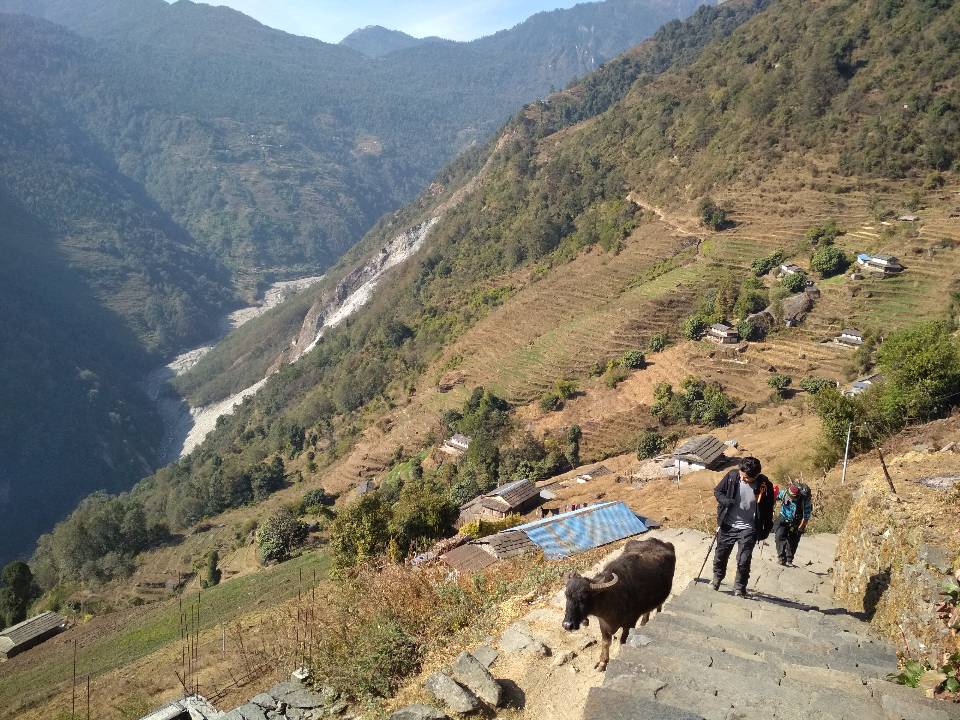
An Annapurna Expedition offers a thrilling and awe-inspiring adventure in one of the world's most spectacular mountain ranges. Here are some highlights of embarking on an Annapurna Expedition: Majestic Mountain Scenery: Annapurna is home to some of the world's highest peaks, including Annapurna I, the 10th highest mountain in the world. Throughout the expedition, climbers are treated to breathtaking views of snow-capped peaks, rugged landscapes, and dramatic valleys. Cultural Immersion: The Annapurna region is rich in cultural diversity, with vibrant villages inhabited by ethnic communities such as the Gurungs, Magars, and Thakalis. Climbers have the opportunity to immerse themselves in local culture, interact with friendly locals, and learn about traditional customs and lifestyles. Challenging Climbing Routes: Climbing Annapurna I presents a significant mountaineering challenge, with technical routes, high altitudes, and unpredictable weather conditions. The expedition offers climbers the opportunity to test their skills, endurance, and mental fortitude in a demanding alpine environment. Trekking Through Diverse Landscapes: Before reaching base camp, climbers trek through diverse landscapes, including lush forests, alpine meadows, and glacial valleys. The trekking portion of the expedition allows climbers to experience the natural beauty and biodiversity of the Annapurna region. Camaraderie and Teamwork: An Annapurna Expedition fosters a strong sense of camaraderie and teamwork among climbers, guides, and support staff. Climbers work together to overcome challenges, support each other during difficult moments, and celebrate achievements as a team. Climbing Annapurna I Summit: The ultimate highlight of the expedition is reaching the summit of Annapurna I, standing at 8,091 meters (26,545 feet) above sea level. Standing atop one of the world's highest peaks is a monumental achievement and a moment of unparalleled exhilaration and pride for climbers. Personal Growth and Achievement: An Annapurna Expedition is not only a physical and technical challenge but also an opportunity for personal growth and self-discovery. Climbers push their limits, conquer fears, and achieve feats they once thought impossible, leaving them with a profound sense of accomplishment and fulfillment. Spectacular Sunrises and Sunsets: Throughout the expedition, climbers are treated to stunning sunrises and sunsets against the backdrop of the Himalayan peaks. The play of light and shadow on the mountains creates mesmerizing and unforgettable moments that linger in the memory long after the expedition ends. An Annapurna Expedition is a once-in-a-lifetime adventure that offers unforgettable experiences, breathtaking scenery, and the opportunity to conquer one of the world's most iconic mountains.
Day-by-day itinerary
Day 6Lete to Jungle camp (2900m/9,515ft). Campsite. — Enjoy breakfast at the lodge or teahouse in Lete.
Confirm daily arrangements with the provider.
Day 7Trek from Jungle Camp to Miristi Khola — Wake up early at the Jungle Camp and enjoy breakfast prepared by the expedition team.
Confirm daily arrangements with the provider.
Day 8Miristi Khola to Annapurna-BC (4200m/13,780ft) Duration: 5-6 hours. —
Confirm daily arrangements with the provider.
Day 938: Climbing period. Climb Annapurna I (8091m/26545ft.) — Wake up early at Annapurna Base Camp.
Confirm daily arrangements with the provider.
Day 40Drive from Tatopani to Pokhara by Jeep — Enjoy breakfast at the tea house in Tatopani.
Confirm daily arrangements with the provider.
Day 41Travel from Pokhara to Kathmandu by Tourist Bus —
Confirm daily arrangements with the provider.
Day 42Free day in kathamandu and farewell dinner — Spend some time shopping for souvenirs and local handicrafts in places like Thamel or Patan Durbar Square. You can find a variety of items such as traditional clothing, jewelry, pottery, and more.
Confirm daily arrangements with the provider.
Day 43Transfer to international airport for final departure — After Breakfast our compnay represents will transfer to international airport for depature.
Confirm daily arrangements with the provider.
What's included in your experience
Included
- The cost of an Annapurna Expedition can vary depending on several factors, including the expedition's duration, the level of support provided, the number of climbers, the services included, and the expedition operator. However, typical costs generally include the following:
- Permit Fees: This includes permits required for climbing Annapurna I and entering the conservation area. These fees can vary based on the season and the nationality of the climbers.
- Guide and Support Staff: Costs associated with hiring experienced climbing guides, assistant guides, and support staff such as porters and cooks. This also includes their wages, insurance, and accommodation during the expedition.
- Logistics and Transportation: Expenses for transportation to and from Kathmandu to the starting point of the expedition, as well as any additional transportation required during the expedition. This may include flights, buses, or private vehicles.
- Food and Accommodation: Costs for food and accommodation during the expedition. This includes meals provided by the expedition team, as well as accommodation in teahouses or campsites along the trekking route and at base camp.
- Equipment Rental or Purchase: Fees for renting or purchasing climbing equipment and gear such as tents, ropes, crampons, ice axes, and other technical gear. Some expedition operators may include equipment rental in the overall cost, while others may charge separately.
- Climbing Permits: Additional permits required for climbing Annapurna I, which may include climbing fees and garbage deposit fees.
- Medical and Emergency Expenses: Provision for medical supplies, emergency evacuation insurance, and other emergency expenses.
- Administrative Costs: Miscellaneous expenses such as administrative fees, communication costs, and taxes.
- Miscellaneous Expenses: Additional costs such as tips for guides and support staff, souvenirs, personal expenses, and any unforeseen expenses.
Not included
- International Flights: The cost of flights to and from Kathmandu, Nepal, is generally not included in the expedition cost. Climbers are responsible for arranging their own international airfare to Nepal.
- Personal Climbing Gear: While some expedition operators may provide certain climbing gear and equipment as part of the expedition package, climbers are often responsible for bringing their own personal gear such as mountaineering boots, clothing, harnesses, and sleeping bags.
- Travel Insurance: Expedition operators typically require climbers to have comprehensive travel insurance that covers high-altitude mountaineering, medical emergencies, evacuation, and trip cancellation. The cost of travel insurance is usually not included in the expedition package.
- Visa Fees: Climbers are responsible for obtaining the necessary visas to enter Nepal and any other countries visited during the expedition. The cost of visa fees is typically not included in the expedition cost.
- Personal Expenses: Expenses such as meals, beverages, snacks, souvenirs, internet access, and laundry services incurred outside of the expedition package are typically not included in the cost. Climbers should budget for these personal expenses accordingly.
- Additional Accommodation: Accommodation costs before or after the expedition dates, as well as any additional nights spent in Kathmandu or other cities, are generally not included in the expedition cost.
- Tips and Gratuities: While it's customary to tip guides, climbing Sherpas, porters, and other support staff at the end of the expedition, these gratuities are typically not included in the expedition cost.
- Extra Services or Activities: Optional activities, excursions, or side trips not included in the standard expedition itinerary are typically not covered by the expedition cost.
- Emergency Expenses: Any unforeseen expenses related to medical emergencies, evacuation, or other emergencies are typically not included in the expedition cost.
- It's essential for climbers to carefully review the inclusions and exclusions provided by the expedition operator to understand exactly what is covered by the expedition cost and to budget accordingly for any additional expenses.
Essential trip information
Before you go
The Annapurna Expedition is a demanding and rewarding adventure that requires careful planning, physical preparation, and a good understanding of the risks and challenges involved. Here is some extra information to help you prepare and understand what to expect: Physical and Mental Preparation Training: Comprehensive training is essential for an expedition of this magnitude. This should include cardiovascular fitness, strength training, endurance activities, and technical climbing practice. Mental Readiness: Climbing high-altitude peaks requires mental toughness. Be prepared for long, exhausting days, potentially severe weather, and the psychological demands of high-altitude climbing. Altitude Acclimatization Acclimatization Schedule: A well-planned acclimatization schedule is crucial to reduce the risk of altitude sickness. This typically involves gradual ascent with rest days and climbs to higher altitudes before descending to sleep. Symptoms to Watch For: Be aware of symptoms of Acute Mountain Sickness (AMS), High Altitude Pulmonary Edema (HAPE), and High Altitude Cerebral Edema (HACE). Immediate descent is necessary if severe symptoms develop. Weather Conditions Unpredictable Weather: The weather in the Himalayas can be highly unpredictable. Be prepared for extreme cold, heavy snowfall, and high winds, especially at higher altitudes. Weather Windows: Climbing Annapurna I requires careful monitoring of weather conditions to choose the optimal window for the summit push. Safety and Risk Management Avalanche Risk: Annapurna I is known for its high avalanche risk. Thorough knowledge of avalanche safety and proper route selection is essential. Crevasse Danger: The route may involve crossing glaciers with hidden crevasses. Roped travel and crevasse rescue training are critical. Expedition Logistics Experienced Guides: Having experienced and reputable guides is crucial. They provide route planning, safety management, and support throughout the expedition. Support Team: A strong support team, including porters and cooks, ensures the climbers have the necessary supplies, food, and equipment at high altitudes. Permits: Climbing Annapurna I requires various permits, including a climbing permit from the Nepalese government and a permit for the Annapurna Conservation Area. Essential Gear Clothing: Layered clothing system to manage body temperature and weather conditions. Include base layers, mid-layers, and outer shells. Technical Gear: High-quality climbing gear, including harnesses, crampons, ice axes, ropes, and helmets. Camping Equipment: Four-season tent, sleeping bag rated for extreme cold, and an insulated sleeping pad. Health and Nutrition High-Calorie Diet: Climbing at high altitudes requires a high-calorie diet to maintain energy levels. Plan for a diet rich in carbohydrates, proteins, and fats. Hydration: Staying hydrated is crucial at high altitudes. Dehydration can exacerbate altitude sickness symptoms. Medical Kit: A comprehensive medical kit should include medications for altitude sickness, pain relief, antibiotics, and other essentials. Cultural Sensitivity Respect Local Customs: Respect the traditions and customs of the local communities you encounter. This includes understanding cultural practices and being considerate of local etiquette. Environmental Responsibility: Follow Leave No Trace principles to minimize your environmental impact. This includes proper waste disposal and respecting local wildlife and habitats. Post-Expedition Considerations Recovery: Allow time for physical recovery after the expedition. High-altitude climbing is demanding on the body, and proper rest is essential. Reflection: Reflect on the experience and lessons learned during the expedition. This can be a valuable part of personal growth and preparation for future adventures. Embarking on the Annapurna Expedition is a challenging yet immensely rewarding endeavor. Proper preparation, respect for the environment, and a commitment to safety will enhance your experience and help ensure a successful climb. Travel Insurance is mandatory for all customers who looking to travel in Nepal with the Mountain Hiking & Trekking .The Travel Insurance must cover both the evacuation and medical cost There are many insurance companies that offer travel insurance services over the internet. You can choose from a wide variety of insurance companies as per your convenience. Especially when it comes to trekking in Nepal, there is always a narrow chance of minor health issues, injuries and most importantly – altitude sickness. It is essential that you prefer an insurance rule that covers the cost of the helicopter rescue from the mountains in case of main accidents and delicate mountain sickness (AMS). through such great cases of an emergency evacuation, a helicopter service is the only way out of the mountains. This includes a rescue team for both – ground evacuation and rescue. Which is why we need your travel insurances to cover the cost of helicopter services and evacuation from the Himalayas It is forever recovered to be safe than apologetic. Before you plan your trip with Mountain Hiking & Trekking do make sure that your travel insurance covers all the costs mentioned above from a reliable company. Suggested Travel Insurance Companies: https://www.travelguard.com https://www.worldnomads.com https://www.mondial-assistance.ca https://www.travelassistnetwork.com/ https://www.travelex-insurance.com/ https://www.travelite.com/ https://www.tugo.com https://www.hccmis.com/atlas-travel-insurance
Accommodation
Tea house and camping
Fitness & eligibility
2
Meeting point
Kathmandu
What to bring
- Preparing for an expedition to Annapurna I requires careful consideration of the equipment you'll need to ensure your safety, comfort, and success in challenging mountain conditions. Here's a comprehensive list of essential equipment for an Annapurna expedition:
- Clothing:
- Insulated jacket (down or synthetic)
- Waterproof and breathable shell jacket
- Insulated pants or bibs
- Waterproof and breathable shell pants
- Base layers (moisture-wicking tops and bottoms)
- Mid-layer fleece or softshell jacket
- Insulating hat or beanie
- Balaclava or neck gaiter
- Gloves or mittens (lightweight and insulated)
- Warm socks (wool or synthetic)
- Gaiters (to keep snow out of boots)
- Footwear:
- Mountaineering boots (insulated and crampon-compatible)
- Gaiters (to keep snow out of boots)
- Camp shoes or sandals (for use in base camp)
- Climbing Gear:
- Helmet
- Climbing harness
- Crampons
- Ice axe
- Climbing rope
- Carabiners and quickdraws
- Ascender and/or prusik cords
- Rappel device
- Mountaineering boots (insulated and crampon-compatible)
- Safety Equipment:
- Avalanche transceiver, probe, and shovel (if traveling in avalanche-prone areas)
- First aid kit (including medications for altitude sickness)
- Personal locator beacon (PLB) or satellite communication device
- Whistle
- Map, compass, and GPS device
- Camping Gear:
- Four-season tent
- Sleeping bag (rated for cold temperatures)
- Sleeping pad or mattress (insulated for warmth)
- Camping stove and fuel
- Cooking utensils and pots
- Lightweight camping chair or sitting pad
Cancellation terms
Trip Cancellation By The Client Any cancellation by a Client must be made in writing and acknowledged by the Company, the date on which the request to cancel is received by the Company, will determine the cancellation charge Cancellation of Nepal,Bhutan and Tibet Trips deposit amount is ( Non- Refundable) But you can use That deposit anytime when you come to nepal. a) The Client is strongly advised to take out cancellation insurance at the time of making the booking. b) No refunds will be made if you voluntarily leave a trip for any reason after the trip has start on,No refunds will be made for any accommodation, transport, sightseeing, meals or services not utilized. c) If you want to change the date of the tour, it is possible to change within our tour date (subject to availability) which may occur some additional cost for you. d) We will take last minute booking till 5 day prior of tour date for Nepal trips and till 20 days prior for Bhutan and Tibet trips and you need to make full payment to book the tour in these cases. Cancellation Of A Tour By The Company: Mountain Hiking & Trekking P. Ltd reserves the right to cancel any trip, including a guaranteed trip, prior to departure due to reasons beyond our control (due to natural disasters, flight cancellation, , industrial action, Mountain sickness, weather conditions and Early back to kathamandu from Trek or any Tour in nepal,bhutan and Tibet trip. In such a case, Mountain Hiking & Trekking P. Ltd will not refund any money Passport And Visas: All clients must have a valid passport with at least 6 months validity from return date, Nepalese visas can be obtained from the Nepalese Embassies or Consulate in your country or arrival in Kathmandu Airport. Please visit our Nepal Visa for the detail info. Complaints: If you have complaints about the trip, you can tell to operator/leader/guide at the earliest opportunity then he will take the appropriate action. Acceptance Of Risk: We are committed to provide the best services by performing our duties honestly & seriously to make your journey very smooth & successful. However, Mountain Hiking & Trekking P. Ltd and its related organization shall not be responsible for any changes in the itinerary due to unavoidable circumstance beyond our control such as govt. restriction, Land slide, road blockage, flood, snow political unrest, cancellation of flight, delay, sickness or accident and The nature of some of our trips is adventurous and risky as well, therefore may involve a personal risk. We would like to inform you that you have to take all risk on yourself such as damages or injuries or death resulting from these inherent risks.
Traveler reviews & experiences
Real traveler perspectives to help you plan with confidence.
No traveler reviews yet
Be the first to share what this journey was like and help future travelers plan with confidence.
Have you experienced this journey?
Your real travel story can help someone choose their next adventure.
Reviews are personal opinions from NepalGuide members. “Unverified traveler” means the trip or booking has not been independently confirmed. Report suspicious or abusive reviews to NepalGuide support.
Explore Nepal. Connect with travelers.
Join NepalGuide to share genuine reviews, take part in travel conversations and discover experiences offered by local travel providers.
There's more to experience.
Discover another journey, explore local experiences or find a place to stay.